
Navigating the new disdain and distrust in digital
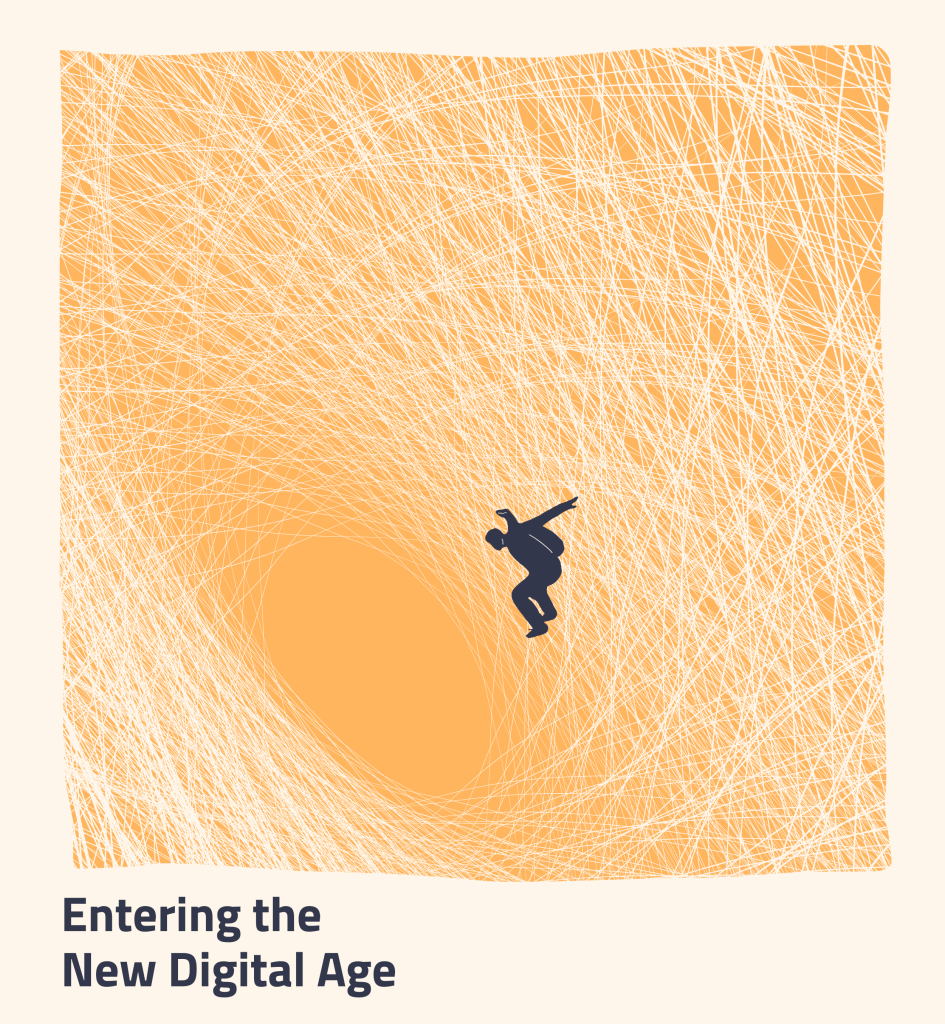
Mission Impossible: Dead Reckoning guides considerations for creatives and marketers as they navigate today’s digital landscape of generative AI and oversaturation
You can observe a lot by watching, indeed.
Take for example the movie that has been the subject of Leibowitz’s watercooler chats, Mission Impossible: Dead Reckoning Part One.
Like most citizens of this digital age, our team primarily watches movies in the comfort of our respective homes—three cheers for streaming—so ironically, those who watched in-theater, what used to be the only way to see a film before home release, found the experience to be something of a nostalgic novelty. Similarly, print as a whole has taken on the reputation of an old-timey gimmick.
Gordon Kaye’s wonderful Letter from the Editor and 2023 Print + Paper Survey from GDUSA’s June publication give credence to our belief that this just isn’t true, and strangely, so did Mission Impossible.
Instead of the classic mustachioed villain with wickedly glinting eyes, Mission Impossible’s big bad is “The Entity”, an all-powerful sentient artificial intelligence gone rogue. It’s crime? Manipulating information across secure servers, throwing the credibility of every piece of digital data into question.
While world leaders across the globe plot to capture and control this potent sower of discord as means to their own Machiavellian end, their underlings toil away at typewriters to preserve important data in hard copies that the AI can’t touch.
So, are we champions for print and paper because we think some nefarious AI slouches towards Bethlehem, looking to bastardize the truth as we know it? Do we even think (m)any people hold this belief?
Negative, negative.
What we do believe is that Mission Impossible: Dead Reckoning embodies the latest installment of peoples’ distrust in technology, this time targeting the real and valid concerns about digital’s new developments.
This isn’t to say digital is going anywhere soon (or ever), but its honeymoon phase is on its way out.
We are drowning in the ever-widening gyre of digital clutter, fatigued by and distrusting of what we see within it. It shows in today’s films, it shows in the bitter taste left in our collective mouths as influencer marketing overshadows the authentic peer recommendations which inspired it. It shows in the pro-print results of this year’s GDUSA Print + Paper survey, too.
Current events further challenge the confidence we’ve placed in those known advantages of digital:
If streaming services can purge their platforms of films and shows, leaving even their respective casts and crews without a copy of their work, how permanent can digital be?
How can we leverage this affordable, easily-distributed option without creating something cheap and forgettable?
These aren’t a luddite’s screams warning of a falling sky. These are concerns of strategy all in service of one overarching challenge: How are we as creatives and marketers supposed to navigate digital’s post-honeymoon phase?
It feels like an Impossible Mission, but despite that and the heavy-handed and woe-filled references to The Second Coming, we are optimistic. To apply a Yogism of our own, “It ain’t over til it’s over.”
Distrust of and disdain for both technology and advertisement aren’t new developments, but we’ve overcome those challenges in the past. It stands to reason we will again.
Just as Gordon Kaye expressed in his Letter from the Editor, we too have faith in the creative community’s ability to clear these hurdles—not walls. He’s right: we are experts in innovation, in forging human connections through new means when old avenues fall away under a changing landscape. The printed QR code compromise he mentions is just one example of such ingenuity.
Of course, solutions will vary to meet the context-specific challenges they address, but the good ones will have one thing in common: they’ll start by watching how people interact with developing technologies, and address the sentiments, anxieties, and limitations they observe.
Leading with humanness and authenticity hasn’t failed us yet.
How it will take shape in our industries is yet to be determined, but one thing is for sure: we can’t wait to see the sequel.